Service Learning
On this page:
Service learning helps you take what you study in the classroom and apply it in the community. So the skills you learn in your “Intercultural Communication” class will prepare you to help Lincoln’s refugees become English literate.
NWU’s service learning courses provide “structured reflection.” That gives you the opportunity to articulate exactly how the classroom concepts you learned apply to your service.
Your volunteerism is part of our university-wide commitment to community and global citizenship. You will make your new community all the stronger with your service. Engaged learners make great neighbors.
Global Service Learning (GSL) is a student-led campus group that plans and conducts major service trips. There are monthly local projects and annual trips around the world. It’s an amazing opportunity to “walk the walk” as you make a positive difference on a global scale.
GSL students compile impressive resumes of service that employers, grad programs and prestige scholarship judges respect. When you serve others, you’re doing your future a tremendous service.
Some examples of where you can get involved:
One-time events
-
Scrabble Scramble for Lincoln Literacy
-
Wine, Chocolate, and Tango for El Centro de las Americas
-
Shining Star Cleaning Day at the Children’s Museum
On-going volunteer positions
-
YMCA
-
Big Brothers, Big Sisters
-
Malone Center
Partnership schools (Dawes Middle School and Huntington Elementary School) Special Events
-
College Day Field Trip
-
Planetarium and Solar Activity Field Trip
-
Mentors for History Day
-
Community Conversations
Service Learning through the classroom
Courses are offered each semester that involve various levels of community involvement. Courses are listed in the catalog under experiential learning; the instructor can provide more information on the type of work and hours involved.
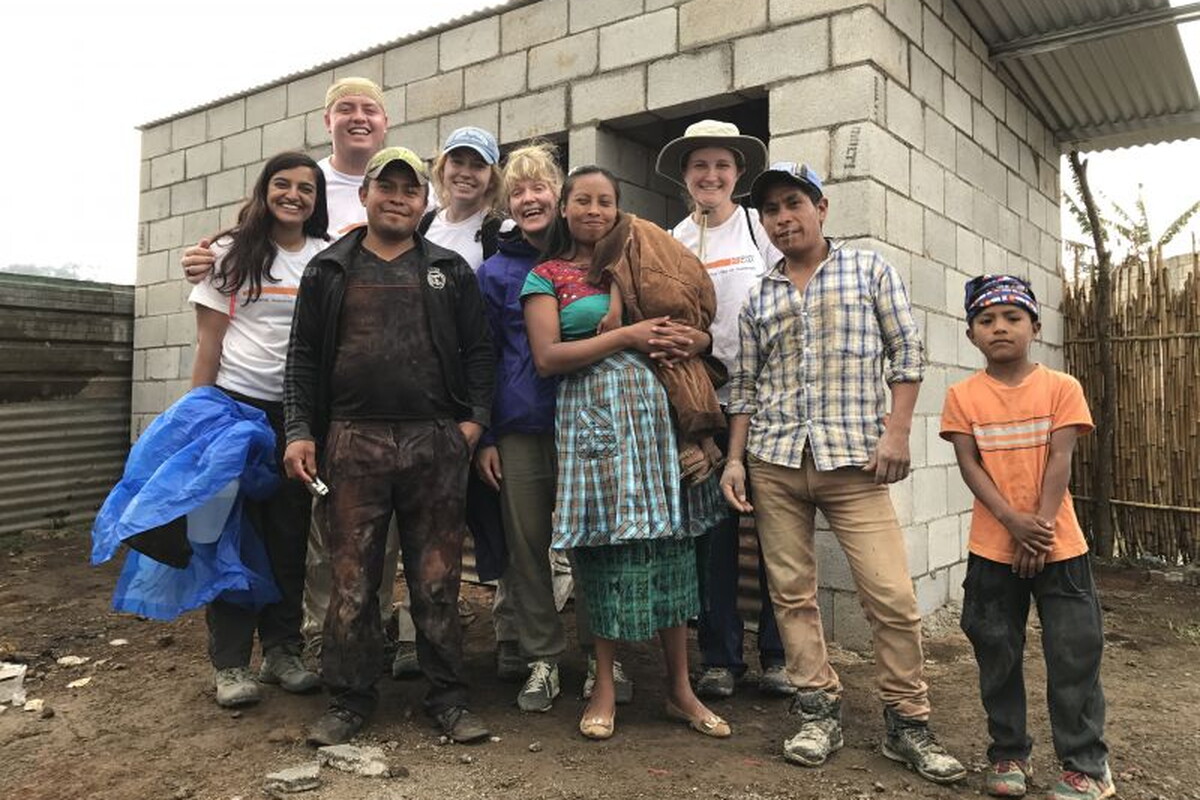
Guatemala trip provides lessons in poverty
Members of Global Service Learning (GSL) stand alongside the family that will live in one of two homes they helped build. Every year, GSL students take an international service trip, which has included projects in Malawi, Nicaragua, Swaziland, China and Fiji.